
Burnout: How to Recognise it Before it Recognises You
A personal and clinical look at one of the most misunderstood conditions of modern working life
PATRICK A COLLINS
5/2/20265 min read

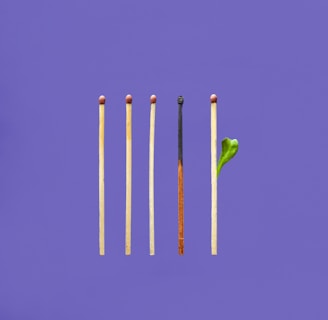
I didn't recognise burnout when it was happening to me. That's the thing about it — by the time you can name it, it's usually already done significant damage.
I spent decades in high-pressure executive roles, eventually reaching the board of directors of a company acquired by Private Equity. I told myself the stress was just part of the deal. The long hours, the relentless pace, the pressure to perform and conform and be visible — I wore it all like a badge. I thought I was coping. I was functioning. I was getting on with it.
In 2020, during the first Covid lockdown, I had a heart attack at 53.
Looking back, the signs had been there for years. The panic attacks at the most inconvenient moments. The growing sense of disconnection from what actually mattered to me. The feeling of working harder than ever and achieving less and less. I had brushed all of it under the carpet, told myself it would ease off once the next project was done, the next deal was closed, the next quarter was behind us.
It didn't ease off. It accumulated — quietly, persistently — until my body stepped in and made the decision for me.
I share this not to alarm you, but because I want you to have the chance I didn't take. If any of what follows feels familiar, please don't wait for something dramatic to force your hand.
What burnout actually is
Burnout is a state of physical, emotional and mental exhaustion caused by prolonged, unmanaged stress. The World Health Organization classifies it in the ICD-11 as an occupational phenomenon — the result of chronic workplace stress that has not been successfully managed. It is not weakness, laziness or a lack of resilience. It is what happens when a person runs on empty for too long without adequate recovery.
There are three core dimensions to burnout, and recognising them early is the difference between catching it and being caught by it.
1. Emotional and physical exhaustion
The first and most common sign is a fatigue that sleep doesn't fix. You might wake up as tired as you went to bed. Headaches, muscle tension and lowered immunity are common physical companions. Emotionally, you feel worn through — as if there's nothing left in reserve, no matter how much rest you get.
This isn't laziness. It's depletion. The body has been running on stress hormones for so long that its natural recovery mechanisms have become overwhelmed.
2. Cynicism and detachment
Burnout often shows up as a growing negativity toward your work, your colleagues or your responsibilities — a kind of emotional withdrawal that can feel like indifference but is really self-protection. You may find yourself going through the motions, feeling increasingly disconnected from work that once engaged you, or experiencing a creeping sense of helplessness.
If you've noticed yourself thinking "what's the point?" more often than usual, pay attention to that.
3. Reduced efficacy — working harder, achieving less
One of the cruellest aspects of burnout is that it often strikes the most conscientious people hardest. You're putting in more hours than ever, but concentration is elusive, simple decisions feel overwhelming, and the quality of your output is declining. Overthinking leads to inaction. Confidence in your own abilities quietly erodes.
This is not a performance problem. It is a physiological one. Chronic stress impairs the prefrontal cortex — the part of the brain responsible for planning, decision-making and clear thinking. You are not failing. Your brain is running out of resources.
4. Behaviour changes
Burnout rarely stays contained to the workplace. It leaks into everything. Irritability with the people closest to you. Withdrawal from social connection. Disrupted sleep — either too much or too little. Reliance on unhealthy coping strategies: overeating, increased alcohol use, endless scrolling. A gradual shrinking of the life you actually want to be living.
Why it creeps up on us
The insidious thing about burnout is that it tends to happen to people who are good at pushing through. People who take pride in their resilience. People who don't want to be seen as struggling.
I came to understand, eventually, that the moments when I was most at peace — genuinely, inwardly at ease — were the moments when I was doing things that aligned with my core values and made use of my real abilities. When I was working against those things — performing a version of myself that didn't quite fit — the stress accumulated invisibly, like water rising behind a dam.
The truth is that it's not always easy to see this when you're trying to pay the mortgage, keep your job, feed your family and maintain your professional reputation. I understand that completely. I lived it. But the longer you leave it, the higher the dam gets.
What you can do
The most important thing is not to wait for a dramatic intervention to force the issue. Burnout responds well to early action and very poorly to being ignored.
There are things you can do immediately that genuinely help — and they're not complicated. Regular physical movement, even walking, helps regulate cortisol. Adequate sleep is not a luxury but a clinical necessity for stress recovery. Reducing alcohol removes one of the most common ways we inadvertently amplify stress hormones while thinking we're managing them.
But the deeper work — understanding what has driven you here, what needs to change, and how to realign your life with what actually matters to you — that tends to require more than lifestyle adjustments. It requires looking honestly at the patterns, the beliefs and the habits that made burning out feel like the only option.
This is where hypnotherapy and coaching can be genuinely transformative. Not as a quick fix, but as a way of accessing the subconscious patterns that keep us locked into cycles of overwork, self-criticism and avoidance — and replacing them with something more sustainable.
A simple technique — riding the wave
When you feel overwhelmed and notice the pressure building, try this before it peaks:
Close your eyes. Take a slow breath in to a count of five. Breathe out fully to a count of ten until there's nothing left. Repeat this three times.
As you breathe, notice where the tension is sitting in your body. Don't fight it — just observe it. Most people find that simply naming the sensation and breathing into it reduces its intensity within a few minutes.
This isn't a cure. But it's a way of interrupting the stress response before it escalates — and with practice, it becomes an instinct rather than an effort.
Do any of these signs feel familiar?
Whether you're in the early stages — a persistent tiredness, a growing cynicism, a sense that something is off — or further along the path, please don't dismiss it.
You don't need to wait until your body makes the decision for you.
I help clients at every stage of burnout — from early recognition and prevention, through recovery and rebuilding. Whether you're looking to reduce anxiety, find clarity about what comes next, prepare for a transition, or simply rediscover what it feels like to genuinely enjoy your life — I'd love to have that conversation.
The free call is exactly the right place to start. No pressure, no obligation. Just an honest conversation, in complete confidence.
Help
Get in touch using the details here
If you are in crisis, call Samaritans on 116 123 or dial 999
Contact
Patrick Collins
Sussex Hypnotherapy Clinics Ltd
38 Church Close
Lower Beeding
West Sussex RH13 6NS
England
patrick@sussexhypnotherapyclinics.com
+44 7951024063
© 2026. All rights reserved.